Everything You Need to Know About Your Wedding Reception
- Sonia

- Nov 3, 2025
- 3 min read
Once you’ve chosen the perfect venue for your wedding reception, it’s time to focus on all those little details that will make your day truly unforgettable: the menu, drinks, wedding cake, and, of course, the table arrangements. Modern wedding trends offer endless inspiration to impress your guests and create a magical atmosphere.
Among the most delicate parts of planning, the seating arrangement plays a key role. Which table shape should you choose? How can you seat your guests comfortably, especially those who don’t know each other well—or might not get along perfectly?
At first, assigning seats might seem easy — one family here, old friends there, colleagues over there — but as you start mapping it out, you’ll quickly realize it requires some thoughtful coordination. So, let’s take a closer look at how to choose and organize your wedding tables.
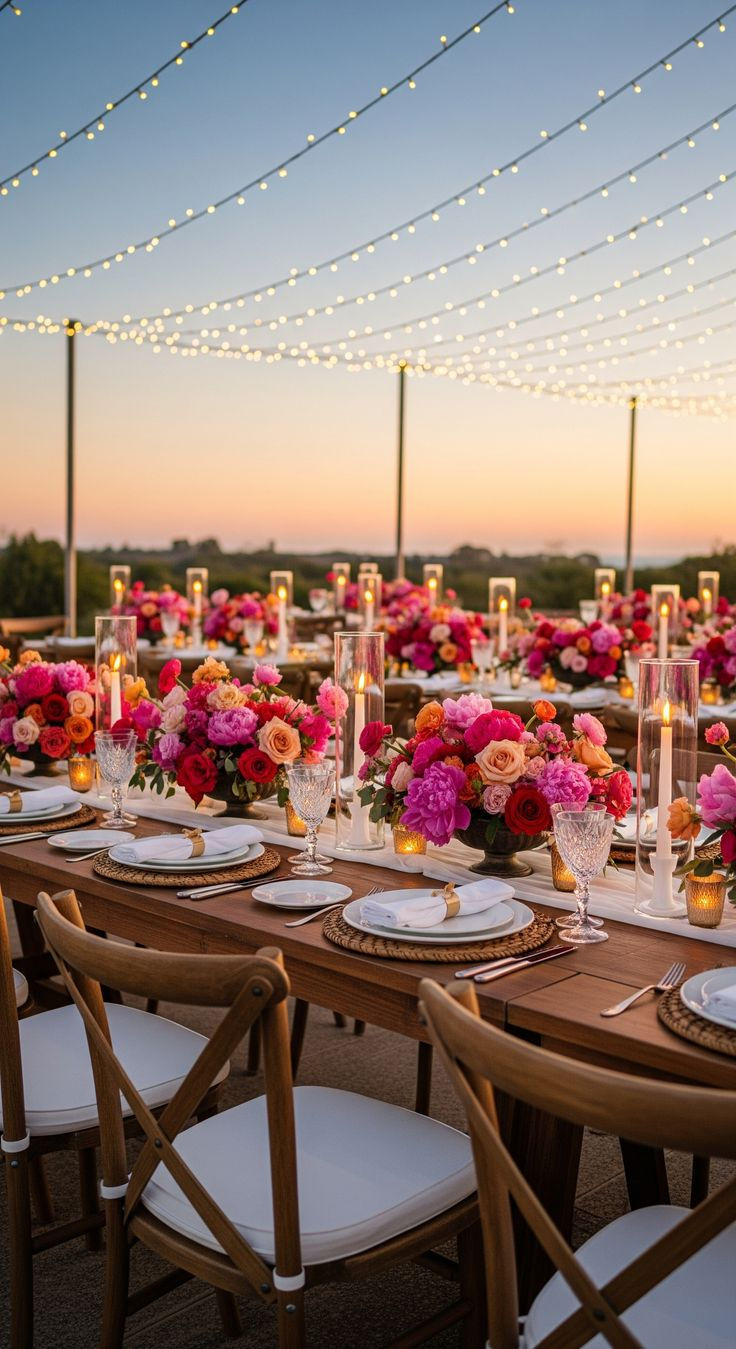
Types of Wedding Tables
The first decision to make is about the table shape, as it strongly influences the overall look and feel of your reception. Here are the most popular options:
round
imperial (long banquet style)
oval
rectangular
square
serpentine
While personal taste always matters, the layout of your venue will play a decisive role — each shape works best in certain spaces.
Another key consideration is the atmosphere you want to create: elegant and formal, or relaxed and sociable?For a traditional wedding, round tables remain the go-to choice, while imperial tables are perfect for a more informal, family-style celebration.
Round Tables
Ideal for spacious indoor or outdoor venues, round tables create a sense of balance and harmony, allowing everyone to interact easily. They’re perfect for larger weddings, accommodating 6 to 12 guests each, and suit elegant settings such as villas or castles. In these refined locations, classic white tablecloths never go out of style.

Imperial Tables
These long, banquet-style tables are perfect for rustic or countryside receptions, where conviviality and warmth are the main themes. The couple typically sits at the center, followed by family, friends, and other guests in order of closeness.They work beautifully for medium-sized weddings (about 30–60 guests) and can also be arranged in U-shape or parallel rows, creating a visually impressive setup.

Round Imperial Tables
A rising trend for sophisticated weddings: the round imperial table combines the grandeur of the imperial setup with the elegance of circular shapes. This design offers a refined, unique, and modern aesthetic, ideal for high-end receptions.

Rectangular Tables
Shorter than imperial ones but equally striking, rectangular tables fit beautifully in boho, rustic, or shabby chic weddings. Skip the full tablecloth and highlight the natural wood surface with a decorative runner and a stunning centerpiece for a cozy, stylish vibe.

Square Tables
Great for smaller groups of up to eight guests, square tables combine practicality and style. They require a bit more room but offer a balanced and comfortable layout, perfect for both formal and casual celebrations.

Serpentine Tables
Among the latest wedding trends, serpentine tables are gaining popularity thanks to their flowing, wave-like shape. This dynamic design adds movement, elegance, and a sense of togetherness, creating a memorable and visually captivating reception setup.

Table arrangements are not just a practical detail — they’re a key design element that defines the atmosphere of your wedding.
Whether you prefer a timeless and classic look or a modern, relaxed layout, the goal is always the same: to make your guests feel comfortable and to reflect your unique personality as a couple.
With thoughtful planning and an eye for aesthetics, your reception will become an unforgettable moment that tells your love story — one table at a time.

Comments